


What is Baby Care Pad?
A baby care pad, also known as a baby changing pad or mat, is a flat surface designed specifically for changing a baby's diaper or clothing. These pads are typically made from materials that are easy to clean and disinfect, such as vinyl, PVC, or fabric with waterproof backing. They often come with safety belts to secure the baby during changing to prevent falls. Some baby care pads are portable and can be folded for convenience, while others are attached to a changing table. They are an essential item in a parent's toolkit for maintaining good hygiene and ensuring comfort for their baby during diaper changes.
Why Choose Us?
Hebei Yihoucheng Commodity Co., Ltd(YHC), established in 1998, is one of the largest private label commodity manufacturers in China. We started the exporting business since 2005, overseas markets have been up to more than 30 countries and regions.
YHC products' range, which is for top leading global brands and companies, covers wet wipes, puppy training pad, nursing pad, sanitary napkin, toilet paper, kitchen paper etc.
High quality
Our products are manufactured or executed to very high standards, using the finest materials and manufacturing processes.
Professional team
Our professional team collaborate and communicate effectively with one another, and are committed to delivering high-quality results. They are capable of handling complex challenges and projects that require their specialized expertise and experience.
Long warranty
The long-term warranty is designed to give consumers more confidence that their purchases and services will continue to be valid.
Rich experience
Dedicated to strict quality control and attentive customer service, our experienced staff is always available to discuss your requirements and ensure complete customer satisfaction.



Benefits of Baby Care Pad
Hygiene: Baby care pads provide a clean surface for diaper changes, which helps to prevent the spread of bacteria and reduces the risk of diaper rash. The waterproof backing ensures that any spills or leaks do not seep through, keeping the changing area clean.
Comfort: Padded surfaces are gentle on a baby's back and bottom, making diaper changes a more comfortable experience. Some pads even have additional cushioning for extra comfort.
Portability: Many baby care pads are lightweight and foldable, allowing parents to change their baby's diaper anywhere, whether at home, in a park, or while traveling. This portability ensures that the baby remains comfortable and hygienic regardless of location.
Safety: Most baby care pads come with safety straps or belts to secure the baby during the changing process, reducing the risk of falls and injuries. Additionally, non-slip surfaces ensure that the pad stays in place on changing tables or other surfaces.
Convenience: With a baby care pad, parents can quickly and easily set up a changing station wherever they are. This eliminates the need to search for a clean surface or worry about finding a suitable place to change the baby's diaper.
Cost-effectiveness: Using baby care pads can be more cost-effective than purchasing a dedicated changing table. They are reusable and can be washed and sanitized between uses, providing long-term value.
Versatility: Some baby care pads can also double as play mats or changing stations for older babies who are learning to sit or crawl. This versatility allows parents to make the most out of their investment.
Easy cleaning: Baby care pads are generally made from materials that are easy to wipe clean with a damp cloth or disposable wipes. Some pads can even be machine washed for added convenience.
Application of Baby Care Pad
Diaper changes: The primary function of a baby care pad is to provide a clean, safe surface for changing diapers. The pad captures messes, protects the baby from dirty surfaces, and contains any spills or leaks. For disposable pads, once the change is complete, the pad can be wrapped up and thrown away, while reusable pads are washed and reused after each change.
Bath time: Changing pads can double as a protective surface during bath time. They can be placed on top of a counter or changing table to create a barrier between the baby and potentially cold or hard surfaces. After the bath, the pad can be used to gently pat the baby dry, ensuring that the baby remains comfortable and warm.
Travel and on-the-go use: Portable changing mats are designed for use outside the home. They can be spread out on a park bench, in a restroom with no changing station, or even on the back seat of a car during a road trip. These pads are lightweight, foldable, and often come with a carrying case for convenience.
Tummy time: Some changing pads have a firm, flat surface that is suitable for tummy time activities. Tummy time is crucial for a baby's physical development, helping to strengthen neck and shoulder muscles. By placing the baby on a safe, clean pad, parents can encourage this essential exercise.
Feeding sessions: Changing pads can also be used during feeding sessions. If a baby spits up or has a minor leak from their diaper, the pad can quickly catch the mess, keeping both the baby and the parent clean and dry.
Naptime surfaces: While not always recommended due to potential suffocation risks, some parents might use a changing pad as a temporary napping spot for short periods. If doing so, it's vital to ensure the pad is placed on a flat, stable surface, and the baby is monitored closely.
Skin protection: High-quality baby care pads with soft, breathable materials can help prevent rashes and irritation on the baby's delicate skin. The pads should be regularly checked for cleanliness and replaced if they become soiled or wet to maintain skin health.
Emergency situations: In cases of unexpected situations where a changing area isn't available, a baby care pad can serve as a makeshift solution. Its waterproof qualities make it suitable for handling sudden diaper leaks or other bodily fluids until a more appropriate changing area can be found.
Types of Baby Care Pad
Disposable changing pads: These are single-use pads made from absorbent paper or plastic. They are convenient for on-the-go changes and can be easily disposed of after use. Disposable pads are often sold in packs and are great for travel or when you don't have access to a washing machine.
Reusable fabric changing pads: Made from soft, breathable fabrics like cotton or bamboo, these pads can be washed and reused multiple times. They are eco-friendly and cost-effective in the long run. Reusable pads often come with waterproof backing to prevent leaks and are available in various sizes and designs.
Memory foam changing pads: These pads are filled with memory foam, which conforms to the shape of the baby's body for extra comfort. They are thicker and more cushioned than other types of pads, making them ideal for babies with sensitive skin or those who require a softer surface.
Portable changing mats: Designed for on-the-go convenience, these pads are lightweight, foldable, and compact. They are usually made from waterproof materials and come with a carrying case or strap for easy transport. Portable changing mats are perfect for trips to the park, restaurants, or when traveling by car or plane.
Changing table pads: These pads are specifically designed to fit on top of changing tables. They are larger than portable mats and provide a stable, secure surface for changing diapers. Changing table pads often come with safety straps or belts to secure the baby during the changing process.
Wipeable changing pads: These pads have a smooth, wipeable surface that can be easily cleaned with a damp cloth or disinfectant wipes. They are ideal for quick cleanups and are often used in public restrooms or when a traditional changing table is not available.
Organic changing pads: Made from organic materials such as organic cotton or bamboo, these pads are free from harmful chemicals and synthetic dyes. They are environmentally friendly and safe for babies with sensitive skin. Organic changing pads are often more expensive than conventional pads, but many parents prefer them for their natural materials and non-toxic properties.
Process of Baby Care Pad
The first step in the production process is selecting appropriate materials for the baby care pad. This usually includes non-toxic, hypoallergenic, and breathable fabrics such as cotton or polyester blends. Materials must also be durable enough to withstand regular cleaning and laundering.
Engineers and designers create the blueprint for the baby care pad, taking into account factors such as size, shape, absorbency, and ease of use. A pattern is then cut out from paper, which serves as a template for cutting the fabric.
Using large cutting machines, operators cut out the fabric pieces according to the pattern. Precision is crucial to ensure each piece is uniform and correctly sized.
The cut pieces are then assembled to form the final product. This may involve sewing the layers of fabric together, attaching elastic bands or Velcro straps for secure fitting, and adding any additional features such as pockets for wipes or diapers.
Throughout the assembly process, quality control checks are performed to ensure that each pad meets the required standards. This includes checking for any defects such as missed stitches, uneven seams, or incorrectly placed components.
Finished baby care pads undergo rigorous testing to ensure their safety and effectiveness. Tests may include assessments of absorbency, durability, and resistance to tears or leaks. Additionally, tests are conducted to ensure that the materials used are non-toxic and do not contain any harmful chemicals.
Once the pads have passed all quality control and testing procedures, they are packaged for distribution. Packaging must be child-resistant and clearly labeled with information about the product's contents, usage instructions, and any warnings or cautions.
The finished products are then shipped to retailers or directly to consumers. Logistics and transportation must be carefully managed to ensure timely delivery and maintain the integrity of the product.
Material of Baby Care Pad
Baby care pads are typically made from a combination of materials designed to provide comfort, hygiene, and durability. Here's a detailed explanation of the common materials used in baby care pads:
● Polyvinyl chloride (PVC) or vinyl: Often used for disposable changing pads, PVC provides a waterproof barrier that prevents liquids from seeping through. It's easy to clean and can be disposed of after a single use, reducing the risk of cross-contamination.
● Polyurethane (PU): PU is another material commonly found in disposable changing pads. It's similar to PVC but may be considered more eco-friendly and less likely to contain certain chemicals. PU is also waterproof and provides a protective layer against spills.
● Fabrics: Reusable changing pads are often made from a variety of fabrics such as cotton, polyester, bamboo, and organic cotton. Cotton is soft and breathable, making it comfortable for the baby's skin. Bamboo is naturally antibacterial and hypoallergenic, making it a good choice for babies with sensitive skin. Organic cotton is free from chemical pesticides and fertilizers, offering a safer option for the baby and the environment.
● Waterproof backing: Most reusable changing pads have a waterproof layer on the underside to prevent leaks onto changing surfaces. This backing is typically made from polyurethane laminate (PUL), thermoplastic polyurethane (TPU), or a similar waterproof membrane.
● Memory foam: Some changing pads incorporate a layer of memory foam for added cushioning and support. Memory foam conforms to the baby's body, reducing pressure points and providing a more comfortable surface. However, it should be encased in a breathable cover to prevent overheating.
● Non-woven fabric: This synthetic fabric is often used as an absorbent layer in reusable changing pads. It's made from fibers that are bonded together without weaving or knitting, creating a soft, yet durable surface.
● BPA-free plastics: When plastic components are used in changing pads, especially in portable or travel versions, they are often made from BPA-free plastics to ensure the safety of the baby. BPA (bisphenol A) is a chemical that can be harmful, especially to infants, so manufacturers avoid using it in products that come into contact with babies.
When selecting a baby care pad, consider the material's safety,breathability, comfort, ease of cleaning, and environmental impact. Reusable pads are generally more environmentally friendly but require proper laundering to maintain hygiene. Disposable pads offer convenience but generate more waste. Always check product labels and certifications to ensure the materials used are safe for your baby andmatch your personal preferences and ethical standards.
Components of Baby Care Pad

1.Top surface
- The top layer is often made of soft, absorbent material such as cotton or microfiber, which is gentle on the baby's skin and capable of quickly absorbing liquids.
- Some pads feature a waterproof or water-resistant layer, usually made of polyurethane laminate (PUL) or a similar material, to prevent leaks and protect the underlying layers.
2.Inner core
- The core of the pad is typically composed of multiple layers of absorbent material, like cellulose or wood pulp fluff, which work together to lock in moisture and prevent it from reaching the outer layers.
- The core's design may include channels or grooves to direct liquid away from the center towards the edges for easier cleanup.
3.Bottom layer
- The bottom layer provides structural support and is often made from a waterproof material to prevent any moisture from seeping through to the surface below.
- It may also feature an anti-slip material or texture to keep the pad in place during use.
4.Binding and edges
- The edges of the pad are usually bound to prevent the inner materials from shifting or unraveling, ensuring durability over time.
- The binding may be made of the same material as the top surface or a complementary material that adds strength and aesthetics.
5.Fastening system
- Many baby care pads include a fastening system, such as straps or buckles, to secure the baby during changing.
- For disposable pads, this component may not be present, as the pad is intended for single-use and does not need to be fastened.
6.Safety features
- Safety is a critical aspect, and pads may include rounded corners and smooth edges to minimize the risk of injury to the baby.
- Some pads come with additional safety features like harnesses or raised sides to prevent the baby from rolling off.
7.Additional layers and features
- Pockets or compartments for storing wipes, diapers, or other essentials.
- A cushioned or extra-thick padding for added comfort.
- Non-toxic dyes and finishes to ensure the baby's safety.
8.Packaging
- While not part of the physical pad itself, the packaging is an integral component that ensures the product arrives safely to the consumer and provides important information regarding usage, care, and safety.

How to Maintain Baby Care Pad?
- If the pad is reusable, wash it after every use. For disposable pads, dispose of them properly after each change.
- Use warm water and mild soap or a baby-safe detergent when washing the pad. Avoid harsh chemicals that could irritate your baby's skin.
- Machine wash the pad on a gentle cycle and tumble dry on low heat if the manufacturer's instructions allow it.
- Always inspect the pad before using it to ensure there are no rips, tears, or loose threads that could pose a safety risk.
- Check for any signs of wear and tear that could compromise the pad's integrity.
- Store the pad in a clean, dry place when not in use. Ensure it is folded or rolled up neatly to avoid creases or damage.
- Keep the pad away from sharp objects that could puncture or tear the material.
- Long-term exposure to sunlight can cause colors to fade and materials to weaken. Store the pad in a shaded area to prevent sun damage.
- Always read and follow the manufacturer's instructions for care and maintenance. Different materials and designs may require specific care methods to preserve their quality and lifespan.
- Depending on the type of pad and the frequency of use, you may need to sanitize it periodically. This can be done by wiping it down with a mild disinfectant or by following the manufacturer's recommended sanitization method.
- Replace the pad if it shows significant signs of wear or if it has been compromised in any way. Using a damaged pad could pose a safety risk to your baby.
How to Choose a Baby Care Pad?
Safety standards: Ensure that the pad meets national and international safety standards. Look for products that have been tested and certified by recognized organizations such as the Juvenile Products Manufacturers Association (JPMA).
Budget: Determine your budget and look for pads that offer the best value for money within your price range. Remember that investing in a higher-quality pad can save money in the long run due to increased durability and fewer replacements.
Material quality: Choose pads made from non-toxic, phthalate-free, and BPA-free materials. The surface should be soft and free from rough edges to prevent injuries to the baby's delicate skin.
Waterproof backing: A waterproof backing is crucial to prevent spills from seeping through onto changing surfaces, which could cause slipping hazards and messes.
Absorbency: Consider the pad's ability to absorb wetness quickly and efficiently. High-quality pads should have a good balance between absorbency and leak prevention to keep the baby dry and comfortable.
Size and portability: Determine the size that suits your needs. Standard sizes range from small to XXL. Portable pads are ideal for travel and public restrooms, while larger pads are better suited for home use.
Comfort: Padded surfaces provide additional comfort for the baby. Some pads even offer contoured shapes for better support and to prevent the baby from rolling off.
Ease of cleaning: Select a pad that is easy to clean. Reusable pads should be machine washable, while disposable pads should be able to be thrown away without making a mess.
Features: Consider additional features such as pockets for storing diapers and wipes, straps or buckles for securing the baby, and non-slip mats to keep the pad in place.
Brand reputation: Research brands with a reputation for producing high-quality baby products. Reading reviews and customer feedback can provide valuable insights into the pad's performance and reliability.
How a Baby Care Pad Work?

A baby care pad, often referred to as a changing mat, is designed to create a clean and safe area for changing a baby's diaper. Its primary function is to protect both the baby and the changing surface from spills and messes. Here's a detailed explanation of how a baby care pad works:
● Surface material: The top of the pad is typically made of a soft, non-toxic material that is gentle on a baby's skin. This material may be waterproof or water-resistant to prevent liquids from soaking through to the lower layers or the surface beneath.
● Absorbency: The core of the pad is usually made up of multiple layers that are highly absorbent. These layers are designed to quickly draw moisture away from the baby's skin and hold it within the pad, keeping the baby dry and preventing leaks.
● Waterproof layer: Beneath the absorbent core, there is a waterproof layer. This barrier prevents any absorbed liquids from passing through the pad and potentially staining or damaging the furniture or flooring underneath.
● Non-slip base: Many baby care pads have a non-slip surface on the underside to keep the pad stable during use. This might be achieved through a textured material or the inclusion of silicone dots or strips that grip the surface of the changing table or another flat area.
● Portability: Disposable pads are lightweight and compact, making them easy to carry around in a diaper bag. They can be used anywhere without the need for cleaning afterward, as they are meant to be discarded after a single use.
● Reusable design: Reusable pads are made to be washed and dried multiple times. They often come with a cover that can be removed for cleaning, extending the life of the pad. The inner core, made of absorbent materials, retains wetness and keeps the baby dry until it is washed.
● Additional features: Some baby care pads come with additional features for convenience and safety. For example, pads might include built-in pockets for holding diapers, wipes, and other changing supplies, or they might have raised sides to prevent the baby from rolling off. Straps or buckles may also be included to secure the baby during the diaper change.
● Maintenance: Proper maintenance is crucial for the longevity and hygiene of reusable baby care pads. They should be cleaned thoroughly after each use and stored in a clean, dry place to prevent mold or mildew growth.
By understanding how these components work together, parents can ensure they are using a baby care pad effectively to provide a safe and clean environment for their child during diaper changes.
Our Factory
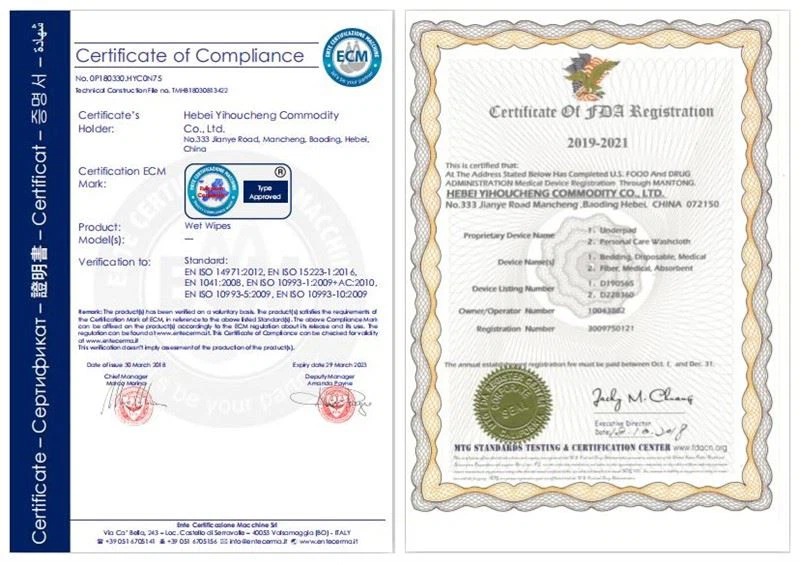
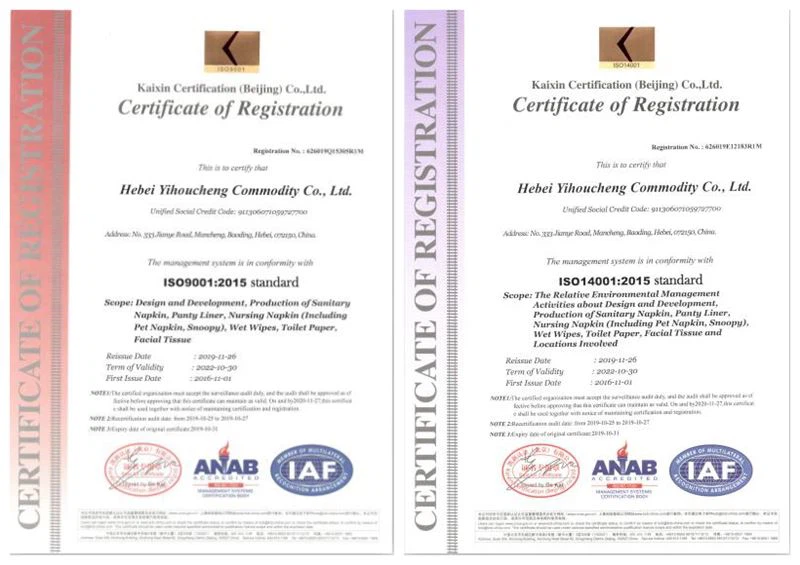
Our factory covers 400,000sqm with under pad workshop, wet wipes workshop and paper making and paper processing workshop. Besides, we have professional QA team and lab. YHC products' range, which is for top leading global brands and companies, covers wet wipes, puppy training pad, nursing pad, sanitary napkin, toilet paper, kitchen paper etc. YHC has been approved by ISO9001 quality management system and ISO14001 environmental management system, and FDA & CE registration SGS. YHC has also been assessed and certified as meeting the requirements of ISO13485.

Certifications
FAQ
Q: What is a baby care pad?
Q: Are baby care pads waterproof?
Q: Can I use a baby care pad on any surface?
Q: Do baby care pads come in different sizes?
Q: How do I clean a reusable baby care pad?
Q: Can I use a baby care pad for newborns?
Q: What materials are baby care pads made from?
Q: Do baby care pads have an expiration date?
Q: Can I use a baby care pad for potty training?
Q: Are baby care pads necessary?
Q: How often should I replace my baby care pad?
Q: What is the difference between a changing pad and a baby care pad?
Q: Can I use a baby care pad on grass or outdoors?
Q: Do baby care pads come with warranties?
Q: Can I machine wash a reusable baby care pad?
Q: Do all baby care pads have non-slip bottoms?
Q: Can I use scented detergents to clean my baby care pad?
Q: What is the average cost of a baby care pad?
Q: Can I fold a baby care pad to save space?
Q: How can I tell if a baby care pad is too small for my baby?