

1.Effects on clean and hygiene
Benefits of wet wipes: Especially in skin folds, wet wipes can reduce the residues even further which may help minimize the risks of bacteria build up and infection.
Drawbacks of toilet paper: Dry paper often irritates the skin due to friction and if the clean up is not done sufficiently, residue can cause itching or odor.
2.Risks to skin health
Allergy and Blemishes: Some wet wipes can be aggressive because they have ethanol or some sort of fragrance or preservative like methylisothiazolinone which can trigger contact dermatitis or even worse make piles, eczema, and other issues problematic. It is advised to use no-additive water wet wipes with a balance in pH level.
Over-cleaning's hidden risks: Overuse of wet wipes can have an adverse effect because it can strip out the natural oil layer, leading to dry or sensitive skin. Those with more delicate skin such as toddlers, young children and older adults need to be careful.

3. Environmental impact
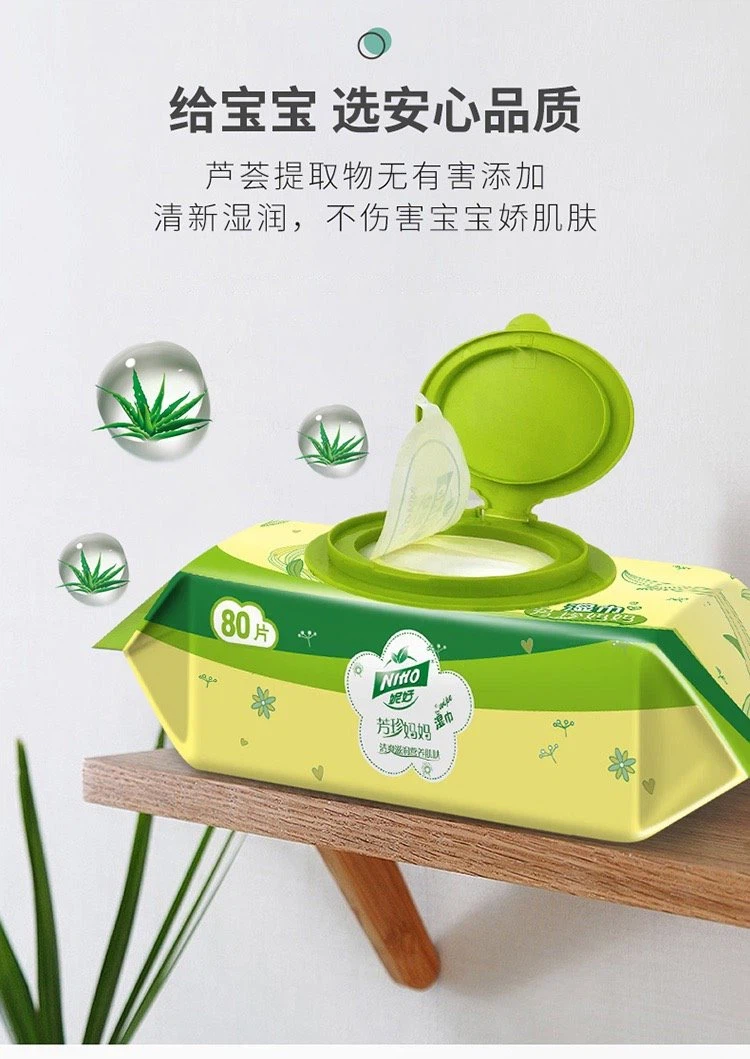
Non-degradable problems: Most wet wipes contain synthetic fibers (polyester or polyethylene), which cannot be completely decomposed and pollute the soil and water sources. Even if they are advertised as "flushable", they may still clog pipes or form "wet wipe clumps".
Alternatives: Choose 100% biodegradable bamboo fiber or cotton wipes, or properly dispose of them in the trash after use.
4. Usage recommendations
Special groups: Patients with hemorrhoids are advised to use warm water for sitz baths or rinses, avoiding any friction; sensitive skin can choose medical cotton balls dipped in saline for cleaning.
Correct disposal: Regardless of whether it is flushable or not, it is recommended to throw the wipes into the trash to avoid sewer blockage.